The overlooked calf zone behind that “heavy legs before the day even starts” feeling
A research-led native report on why foot-only fixes often feel incomplete — and why a short, calf-focused evening routine is getting attention.

For many buyers, the problem is not dramatic enough to call an emergency — but it is annoying enough to shape the day. The first step out of bed feels heavy. Standing after a long shift feels slower. By evening, the calves feel like they are asking for attention.
This report looks at a simple belief shift: before buying another foot-only fix, it may be worth asking whether the lower-leg routine is missing the calf zone.
1. Source layer: what the keyword trail surfaced
We checked the public literature/category trail before writing the page. These sources are not VelaX endorsements; they are context for why the calf and compression/massage category show up repeatedly in lower-leg comfort conversations.
2. Pain/story layer: the drawer of failed fixes
Most tired-leg routines start where the ache is easiest to describe: the foot. Creams, socks, rollers, pads, stretches, and bulky boots can all make sense — but many buyers still end the week feeling like they are repeating the same experiment.

3. Belief-shift layer: the issue may not be another foot fix
“The question is not whether the foot matters. It is whether the routine stops too low.”
The calf is not passive padding. Public literature commonly discusses the calf muscle pump in lower-limb circulation and hemodynamics. That does not make a home comfort device a disease treatment — but it does explain why the calf is a logical place to focus a nightly comfort routine.
4. Mechanism layer: the calf-pump comfort idea
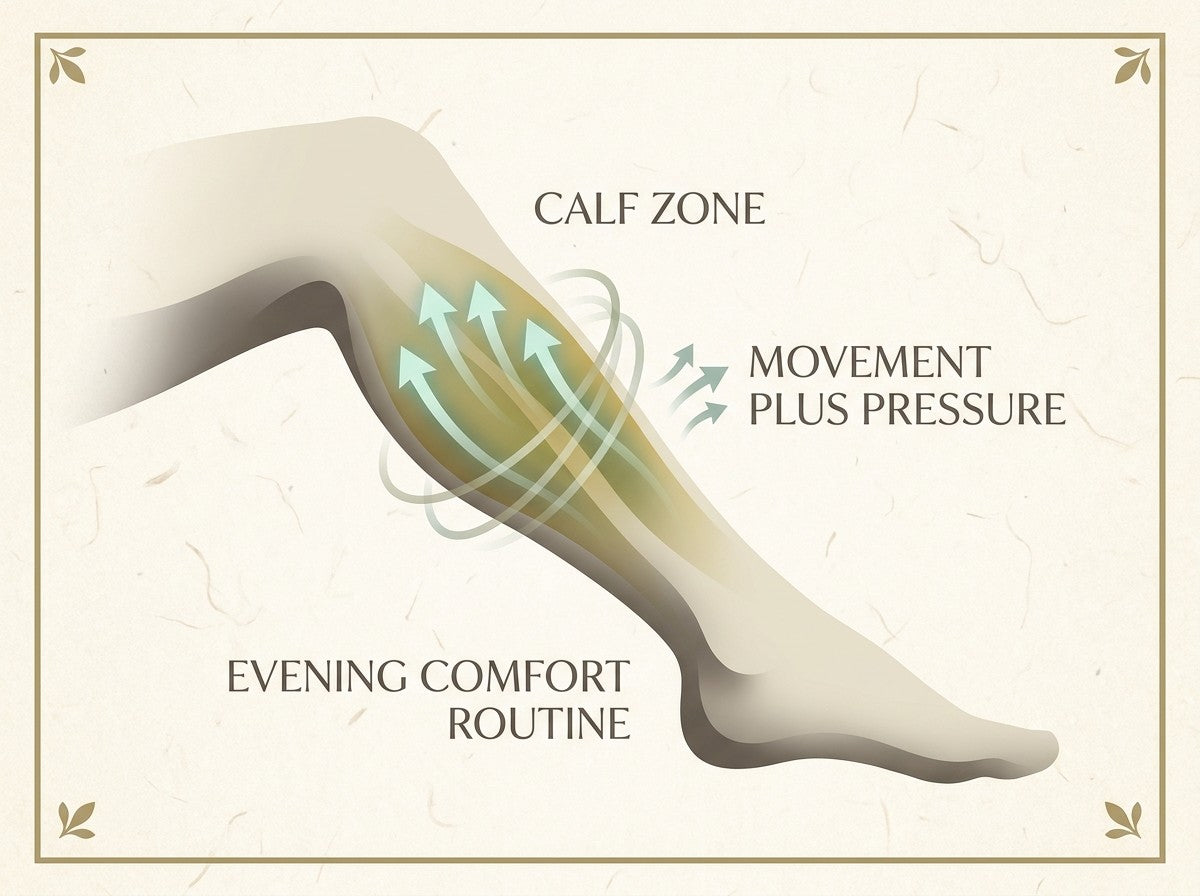
A practical routine can combine three simple ideas: locate the calf zone, apply comfortable pressure/stimulation, and repeat it at the time the buyer already notices heaviness — usually at night.
5. Product bridge layer: where VelaX enters
VelaX is positioned here as a compact calf-focused evening routine, not as medical care. The appeal is the shift from scattered fixes to one repeatable lower-leg comfort step.
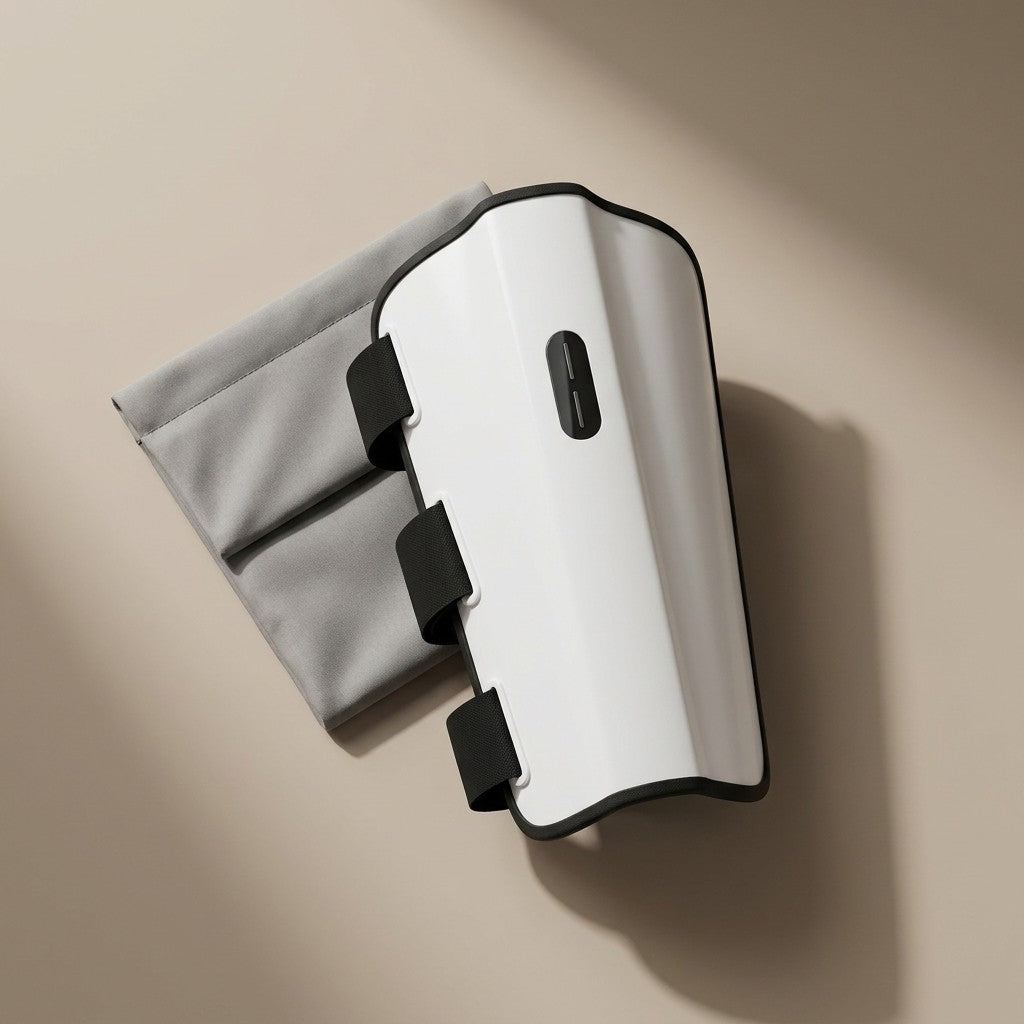
VelaX Calf Therapy Sleeve
Designed for a quick at-home calf routine: wrap, choose a comfort setting, and use it during the evening wind-down.
Check availabilityProduct images in this report are for consumer-wellness education and product identification; always follow the included fit and safety instructions.
6. Proof/KOC layer: what real buyers should check before choosing any leg-comfort device
- Does the routine focus where you actually feel tension — foot, ankle, or calf?
- Is the device compact enough to use consistently at night?
- Are the claims comfort-focused instead of pretending to diagnose or treat a condition?
- Is there a clear return/availability path before you order?
7. Offer/CTA layer
If the calf-zone explanation matches what you have been feeling, the next step is not another drawer of random fixes. Start with a calf-focused routine built for the end of the day.
See VelaX availability